The Honest Truth About Cheap Fire Pit Kits In Colorado Winters
The appeal of buying a fast and inexpensive backyard fire feature from a local hardware store is easy to understand. The box promises cozy autumn nights but the reality of using a cheap fire pit kit quickly becomes a frustrating experience. At Segura Stone we constantly replace these flimsy metal setups for homeowners who realize they cannot withstand the harsh local climate. A basic metal bowl might last a single season before the elements tear it apart.
Investing in your outdoor living space requires materials that are actually built for the environment they sit in. Thin steel and hollow aluminum simply cannot handle the extreme temperature swings common to the area. Recognizing the limitations of store bought options helps you make a better long term decision for your backyard. True outdoor comfort comes from permanent masonry that performs reliably year after year.
In This Article:
1. The Harsh Reality of Thin Metal Construction
2. Overestimating the Heat Output of Big Box Kits
3. The Maintenance Burden of Portable Fire Features
4. Frequently Asked Questions
5. Planning a Better Backyard Heating Solution
The Harsh Reality of Thin Metal Construction
Most budget friendly fire rings are manufactured using thin gauge steel coated in a basic heat resistant paint. Once you build a hot wood fire inside the bowl the metal expands rapidly and causes that protective coating to crack and peel away. The moment raw steel is exposed to moisture in the air it begins to oxidize and weaken. For properties in Highland Ranch, Colorado this means the unit will likely show severe rust spots before winter even officially begins.
→ A quick tip to remember: The repeated cycle of heating up and cooling down warps thin metal out of shape making the lid and spark screen impossible to fit properly.
Overestimating the Heat Output of Big Box Kits
A common mistake homeowners make is assuming a small metal bowl will effectively warm a large patio seating area. These units sit high off the ground and allow the wind to whip underneath them pulling the heat away from your guests. Because the firebox is incredibly shallow you cannot safely stack enough hardwood to generate a meaningful ember bed. People end up huddled awkwardly over a smoky flame trying to catch a small fraction of the warmth.
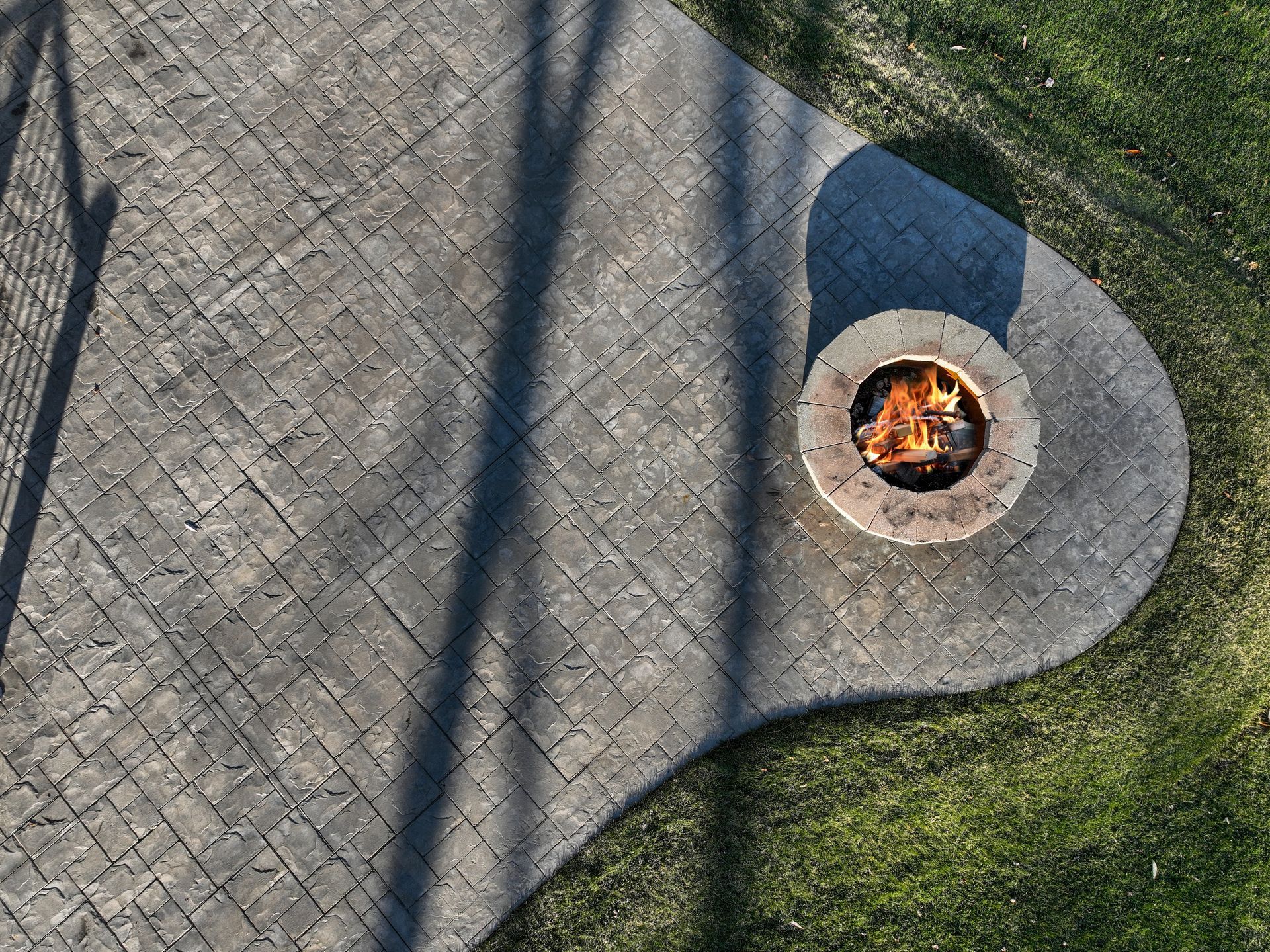
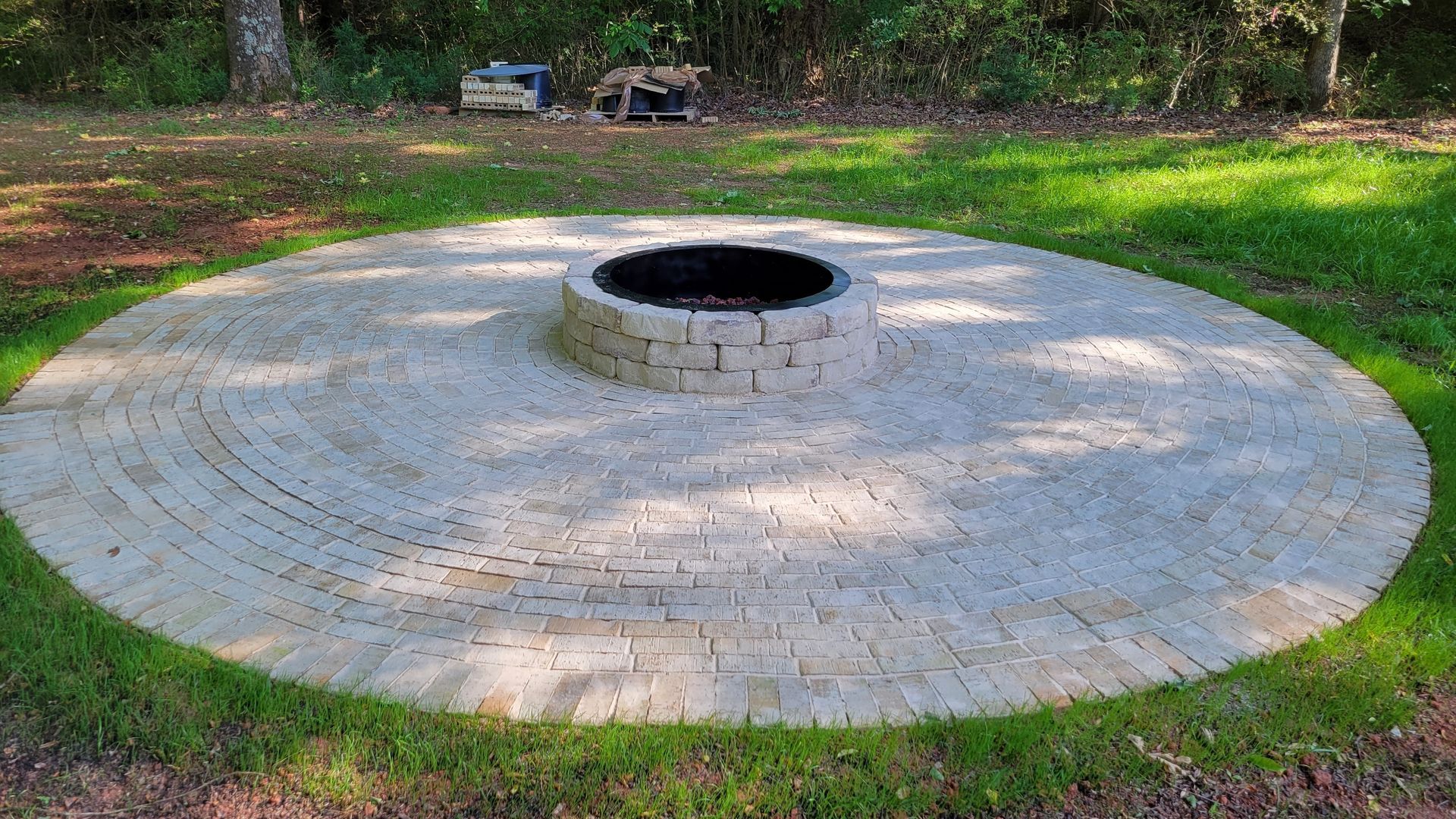
→ From a professional standpoint: Custom custom fire pits are built with deep insulated masonry walls that absorb heat and radiate it outward across the entire seating area.
The Maintenance Burden of Portable Fire Features
The convenience of a portable unit vanishes when you realize how much effort it takes to keep it functional. You cannot leave the ashes inside a metal bowl because wet ash forms a highly corrosive sludge that eats through the bottom grate in weeks. This forces you to constantly scoop out the firebox and drag the entire unit into a garage or shed before every rainstorm. In contrast a well designed outdoor kitchen or masonry fire space includes built in drainage and weatherproof materials that require zero seasonal shuffling.
→ A quick tip to remember: Scrubbing rust off a cheap metal ring takes more time than just building a proper fire in a permanent stone structure.
Frequently Asked Questions
Do metal fire pits rust outside?
Yes most metal fire pits will rust outside within a few months of active use. The intense heat of the fire destroys the factory powder coating leaving the bare steel vulnerable to morning dew and rain. Once the rust takes hold it rapidly degrades the structural integrity of the legs and the bottom fuel grate.
What is the longest lasting fire pit material?
High density natural stone and specialized refractory firebrick are the most durable materials for outdoor heating structures. Firebrick is engineered to handle extreme temperature fluctuations without cracking or spalling. When surrounded by thick natural stone the structure can easily withstand decades of heavy use and harsh winter weather.
Can you leave a stone fire pit uncovered in the snow?
A properly built masonry fire feature can survive heavy snow exposure but keeping the actual burn area covered is a smart practice. Moisture from melting snow can mix with leftover ash to create an acidic paste that slowly degrades standard mortar joints over time. Placing a heavy metal snuffer lid over the opening protects the interior firebrick and keeps the chamber dry for your next fire.
Planning a Better Backyard Heating Solution
Stop wasting money replacing flimsy metal rings every spring and invest in a structure that actually improves your property value. A permanent masonry heating feature provides better warmth and requires significantly less upkeep throughout the year. Contact our office today to discuss designing a custom layout that fits your specific entertaining needs.
Share This Blog